Planning dental implants in Seoul when you live overseas: timeline and visits
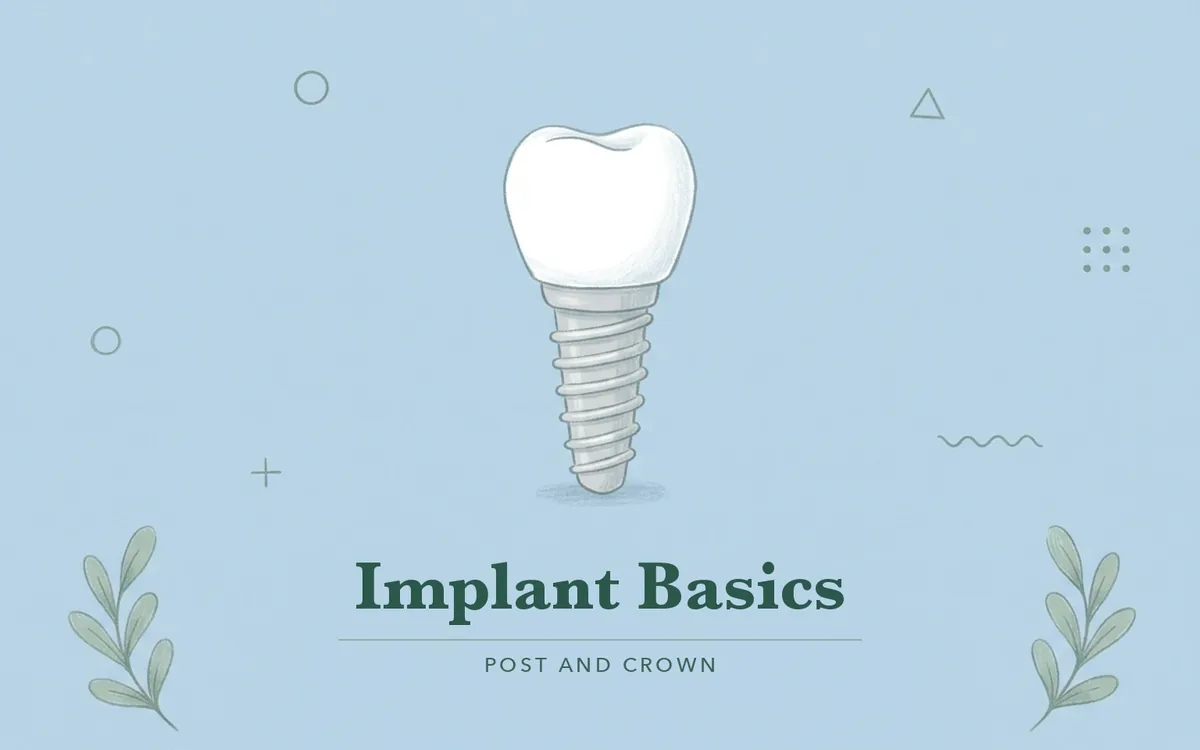
At 퍼펙트치과의원, implant treatment generally takes 2 to 4 months for a lower tooth and 4 to 6 months for an upper tooth, with about 5 to 6 visits in total. When inflammation has left too little bone, a bone graft may have to come first, which adds waiting time before the implant can be placed. For anyone living abroad, these numbers matter more than the procedure itself, because they decide how many trips to Seoul the treatment will take.
How long does implant treatment take from start to finish?
An implant is not a single appointment. The fixture is placed in the jawbone first, and the final crown is attached only at the last stage. The time between those two points depends on the patient's condition, and the clinic gives the following general ranges:
| Item | General range |
|---|---|
| Lower teeth | 2–4 months |
| Upper teeth | 4–6 months |
| Number of visits | Usually 5–6 |
| When bone is insufficient | Bone graft first, then implant placement after a waiting period |
The difference between upper and lower teeth is worth noting when you plan travel. An upper implant can stretch the treatment over half a year, which may mean a different pattern of trips from a lower one.
The clinic's treatment list also includes one-day implants. Whether a case is suitable for that approach is decided only after an examination.
How many times will I need to come to the clinic?
About 5 to 6 visits is the usual number. They are spread across the months of treatment rather than packed into a single week, so the number of visits and the number of separate trips to Seoul are two different questions. The clinic can explain the expected spacing once it has seen your X-ray and examined the area.
Before committing to treatment, it is sensible to ask three things at the consultation:
- Is a bone graft likely to be needed first?
- Roughly how many weeks or months will pass between the main visits?
- Which visits could, in principle, be arranged close together?
The answers depend on your own bone and gum condition, which is why they cannot be fixed in advance by email.
What happens if there is not enough jawbone?
The clinic's stated position is short: when inflammation is severe and the remaining bone is insufficient, it may be necessary to carry out the bone graft alone first, wait, and then perform the implant surgery. In that case the overall timeline becomes longer than the general ranges of 2 to 4 months for lower teeth and 4 to 6 months for upper teeth.
This is the main reason an implant plan made before the first examination can change afterwards. If you already know you have gum inflammation or have been told about bone loss elsewhere, mention it when you contact the clinic.
What is recovery like after surgery?
The clinic's guidance is that swelling and discomfort may be at their strongest for about two to three days after surgery, and that most people recover within a week. Recovery time can differ depending on whether a bone graft was done and how extensive the surgery was, and this is explained during the consultation.
Smoking is worth stopping until treatment is fully complete, as it can interfere with the bone attaching to the implant.
What happens after treatment, once I am back home?
Implants need follow-up. The clinic's check-up schedule is at 1 month, 3 months, 6 months and 1 year after treatment. For someone living overseas, it helps to ask at the consultation how these check-ups can be fitted around your travel.
The clinic also provides warranty periods that differ by component:
| Component | Warranty period |
|---|---|
| Implant fixture | 2 years |
| Implant crown | 1 year |
| Other prosthetics | 3 months |
The specific conditions are explained when the treatment plan is made. The implant systems used at the clinic are Osstem BA and SOI.
Questions and answers
Q1) How long does implant treatment take from start to finish?
A1) As a general range, 2 to 4 months for lower teeth and 4 to 6 months for upper teeth. If a bone graft is needed first, it takes longer.
Q2) How many times will I need to visit the clinic?
A2) Usually about 5 to 6 times, spread across the treatment period. The spacing is explained after the examination.
Q3) What happens if there is not enough jawbone?
A3) When inflammation is severe and remaining bone is insufficient, a bone graft may be done first, followed by a waiting period before implant surgery.
Q4) Which implant brands does the clinic use?
A4) Osstem BA and SOI.
Pain, swelling, bleeding or inflammation may occur after surgery. If there is not enough bone, a bone graft may be needed first and the treatment period may be longer. Smoking and general health conditions such as diabetes can affect healing, and rare complications such as inflammation around the implant may occur, so regular check-ups are needed. Please consult your dentist thoroughly before deciding.