Told you need a root canal in Seoul? When it is needed and why a crown usually follows
Perfect Dental Clinic treats with the aim of keeping your natural teeth, and unless a root canal is clearly needed, it first looks at treatment that keeps the nerve. When a root canal is done, a crown is placed afterwards. A tooth without its nerve no longer receives nutrients or moisture and gradually becomes weaker. This article explains where the line between those two paths usually falls, and what to watch for after treatment.
It is written for people living in Seoul or staying for a while who have been told that decay is deep, or who have a tooth that has started to ache.
What decides whether the nerve can be kept?
The depth and size of the decay are checked with an X-ray and an exam. Small, early decay is usually treated with a resin filling. Decay that has spread deeper and wider is often treated with an inlay, which is made from an impression. An inlay does not automatically mean a root canal. If the decay has reached the nerve, root canal treatment is needed, followed by a crown.
| Decay | Treatment usually considered |
|---|---|
| Small, early decay | Resin filling |
| Deeper and wider decay | Inlay |
| Decay that has reached the nerve | Root canal treatment, then a crown |
Why does a crown follow a root canal?
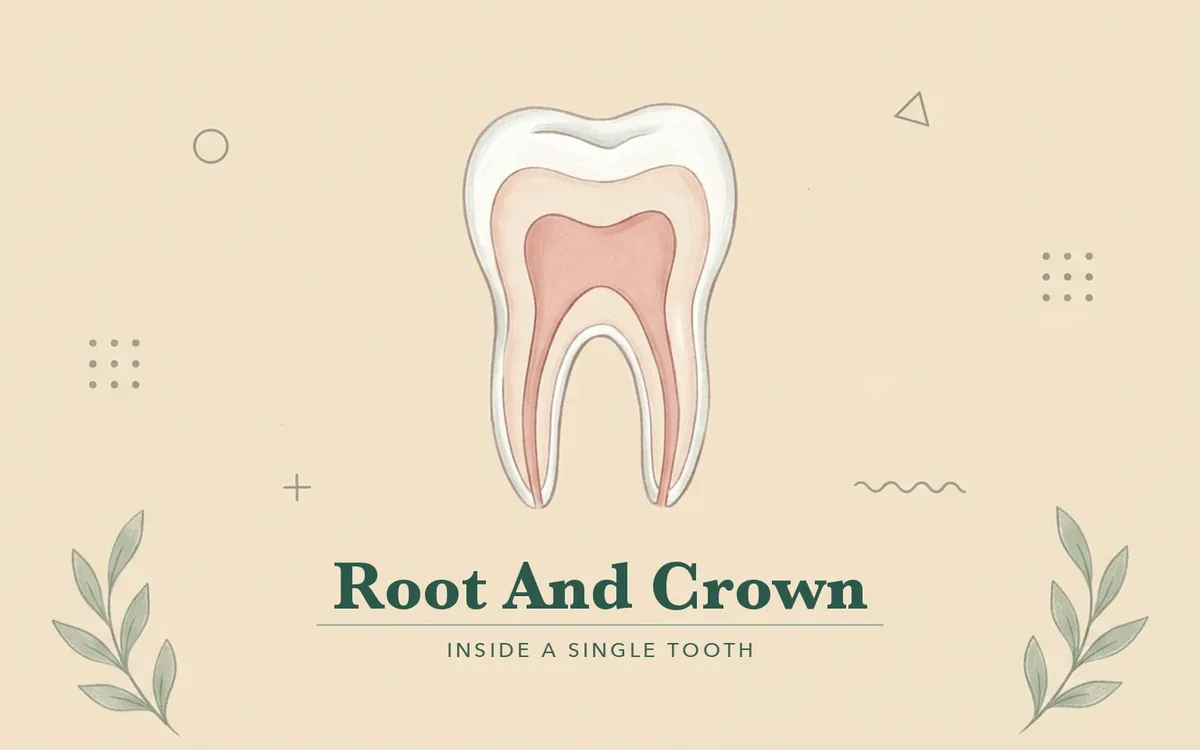
Once the nerve has been removed, the tooth no longer gets nutrients or moisture from the inside and slowly becomes weaker. A crown covers the whole tooth and protects what remains. At Perfect Dental Clinic, crown treatment is planned together with root canal treatment to protect the tooth.
Is a root canal painful?
How much pain you feel varies from person to person. Treatments that need anesthesia, such as root canals, can cause discomfort during the anesthetic injection and after treatment. The clinic has two digital anesthesia devices, NO-PAINⅢ and i-JECT, which are used to reduce discomfort during the injection.
My tooth still hurts after treatment. Is that normal?
Dental materials conduct heat well, and removing decay and restoring a tooth is itself a stimulus to the tooth, so some adjustment time is expected. Cavity treatment lets you go back to daily life right away, but the tooth may feel sensitive for a while, and this usually eases within a few days. If discomfort continues for more than two weeks, a root canal may be needed and you should come in for a check. If the pain is severe, come to the clinic right away.
Can I smoke during treatment?
Stopping smoking helps recovery. In particular, if your treatment involves anesthesia or a root canal, please do not smoke until the treatment is complete.
Is it covered by Korean health insurance?
In Korea, resin fillings, inlays and crowns are usually not covered by national health insurance. Which treatment you need is decided after the X-ray and diagnosis, so coverage questions are also answered at that stage.
What happens at the first visit?
The first visit follows these steps: reception, consultation, X-ray, a treatment consultation and diagnosis, and same-day treatment depending on the case. If you are only in Seoul for a short stay, tell the clinic your dates when you book, because a root canal and crown can need more than one visit.
Questions and answers
Q1) Can my tooth be saved without a root canal?
A1) Unless a root canal is clearly needed, treatment that keeps the nerve is considered first. The decision depends on how far the decay has reached.
Q2) Why do I need a crown after a root canal?
A2) A tooth without its nerve gradually becomes weaker, so a crown is placed to protect it.
Q3) When should I come back if it still hurts?
A3) If discomfort lasts more than two weeks, come in for a check. If the pain is severe, come right away.
Results and side effects vary from person to person. Some patients may experience tooth sensitivity, pain or swelling, and the degree and duration differ. Please consult your dentist thoroughly before deciding.