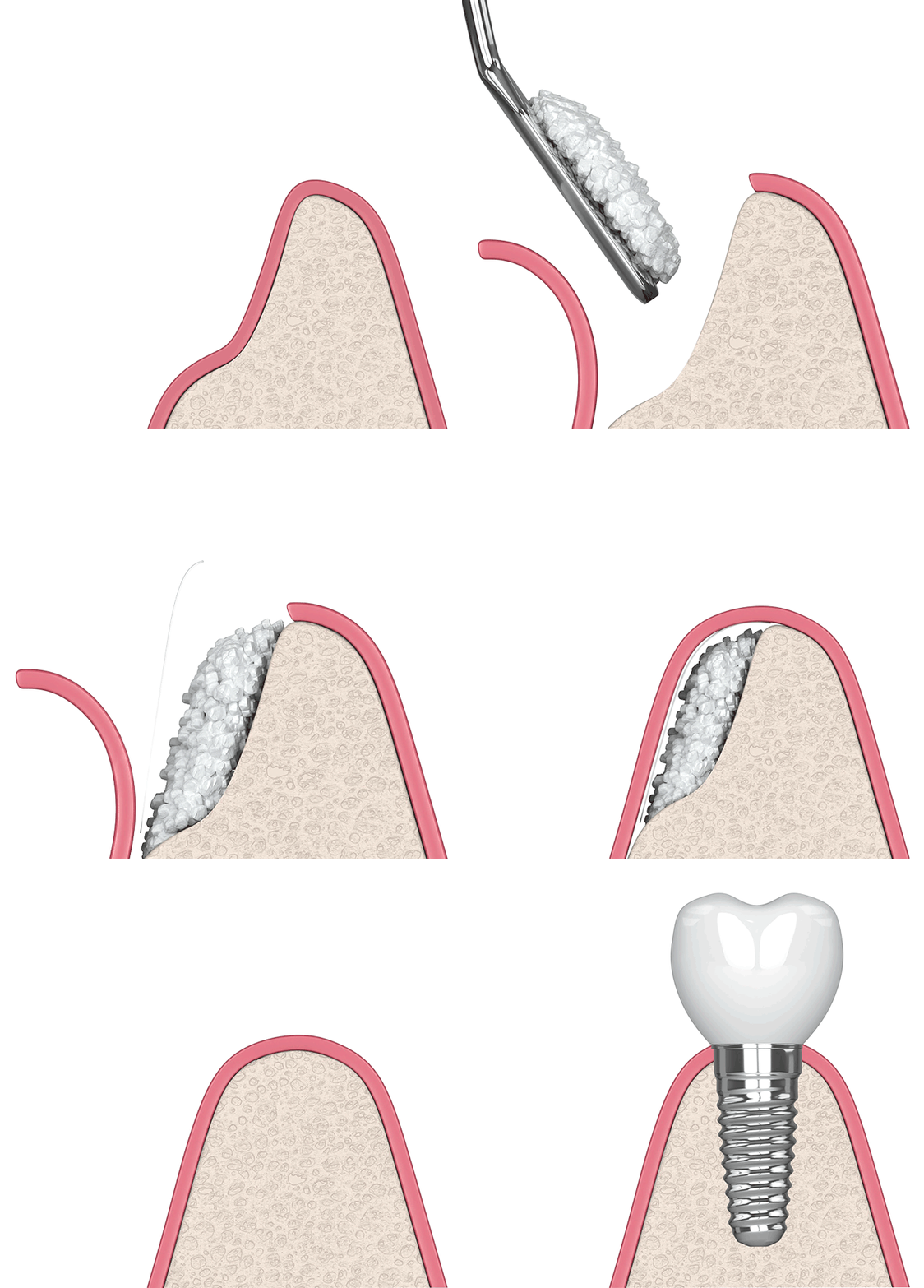
When there is not enough bone at the treatment site to support and secure a dental implantBone grafting can help secure and place the dental implant firmly.
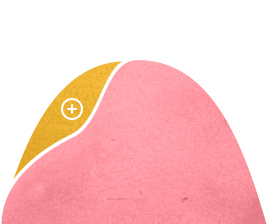
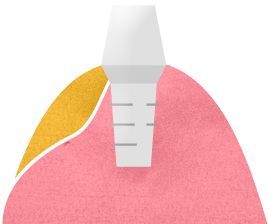
If a dental implant is placed when there is not enough bone, it may not be secured properly and may also cause an inflammatory condition. When there is not enough bone for dental implant placement, sinus lift surgery is performed in the upper jaw and dental implant with bone graft surgery in the lower jaw. If you have lost a tooth due to aging or periodontal disease rather than an accident, the alveolar bone surrounding the tooth is generally in poor condition. This is because periodontal disease causes the gums to recede. Bone usually fills in to some extent after tooth extraction, but the amount of healing in alveolar bone lost to periodontal disease varies depending on its condition at the time of extraction. If the bone has deteriorated up to the walls surrounding the tooth, natural healing is unlikely to be satisfactory. In such cases, a bone graft is needed to rebuild the alveolar bone so a dental implant can be placed in the area of the missing tooth.
Insufficient jawbone can prevent dental implant placement | → Jawbone graft | → Dental implant placement |

Bacteria infect and break down the tissues surrounding the tooth (the tooth root and gums)This refers to a condition that is called gingivitis in its early stages and periodontitis when it progresses further. As periodontitis advances, the gums swell and bleed, pus builds up in the bone, and teeth become loose. One reason periodontitis is serious is that it often has no early symptoms. Many people only feel pain after it has advanced and significant jawbone has been lost. By then, they may visit a dentist only to find that tooth extraction is needed.
Accordingly, other types of bone grafts, including allografts and xenografts, are used, and synthetic bone grafts have become common recently.These graft materials are more susceptible to infection than your own bone, but they have the advantage of being resorbed less than your own bone.Perfect Dental Clinic recommends the most suitable bone graft material based on the surgical conditions.
That is, teeth of your own that can be used,
An unnecessary wisdom tooth orUsing teeth scheduled for tooth extraction
After preserving it well and using advanced medical techniquesVarious
It can be made and used in the shape you want.
Benefits |
Because they have genetically identical bonds The risk of a possible genetic infection Not much, and compared with other graft materials Contributes greatly to the integration of the dental implant with the bone. |
Disadvantage |
A large amount of resorption occurs, making it difficult to maintain bone volume It is not suitable for the space intended for |
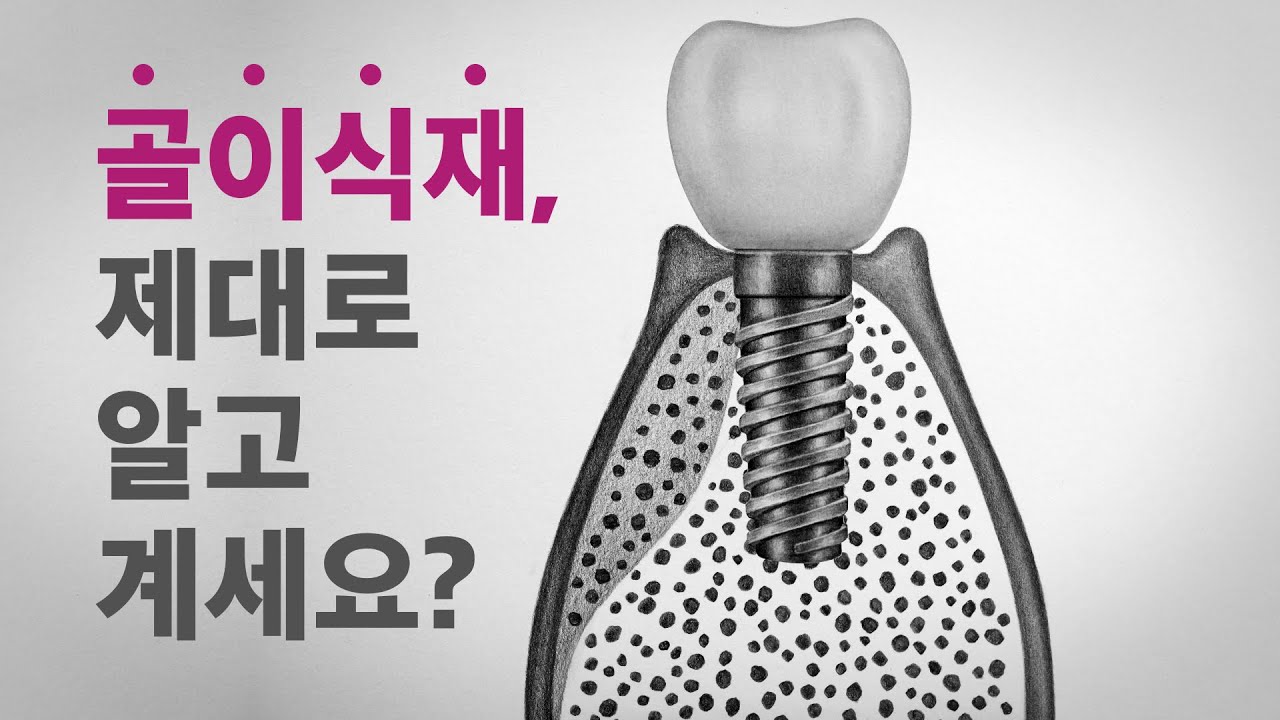
Bone graft materials: do you really know about them?THE Graft™, a bone graft material from Purgobio
It is highly similar to human bone and highly biocompatible
A potential infection or immune response may be the cause.
A natural bone graft material with no organic components and high stability.
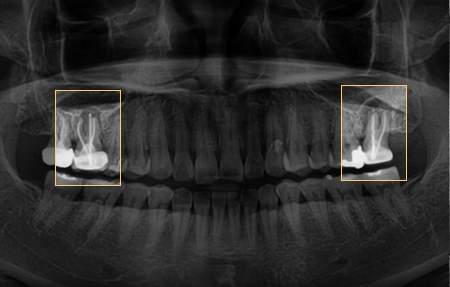
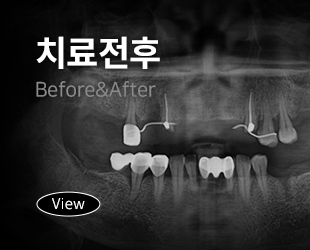
![]() | Initial X-rayEven though root canal treatment had been done on the upper right premolar and upper left molar, a large inflammation appears as a dark shadow. In this case, despite well-performed root canal treatment, a large inflammation developed and occupied most of the root, so tooth extraction was unavoidable. The patient was very disappointed. Because the patient had to go to another region for a while, it was difficult to proceed right away, so it was decided that the tooth extraction would be done there. "At our clinic, we explained to the patient that bone grafting at the time of tooth extraction is recommended whenever possible and why it is needed." Six months later, the patient returned and visited our clinic again. |
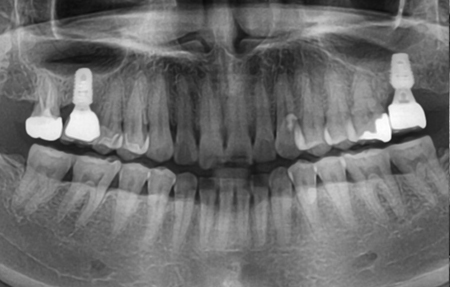
![]() | Visit us 6 months after having a tooth extraction at another clinicOn examination, we could see that there was not enough bone in the circled area of the image. When we asked, you said that you had only had a tooth extraction and had not been able to get a bone graft. You need about 1.5mm of bone around a dental implant. If we place a dental implant now, we would need to add a bone graft on the outer side or place it further inward. This could result in a poor angle when the dental prosthetics are fitted later, causing discomfort. |
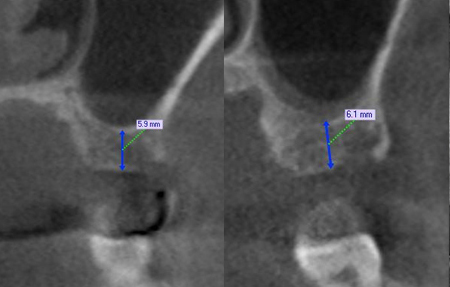
![]() | Tooth #26 CTUpper left molarA dark area with insufficient bone is visible inside, but during surgery, the inflammation is removed and artificial bone is graftedWe expected that it would lead to good results. |
To help you understand the main text, the patient’sPublished with consent in accordance with Articles 23 and 56 of the Medical Service Act.
Side effects such as inflammation, bleeding, and infection may occur after surgery.
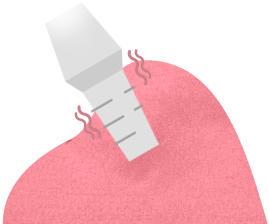
This is because gum tissue fills the area before the bone can grow. When bone grafting is performed, to prevent this,A collagen membrane is placed over the artificial bone to create a separate space where the bone can mature. This helps new bone form better than tooth extraction alone.
It usually takes 5~6 months for the bone to form almost completely after tooth extraction. Then, after dental implant placement, you will wait another 2~3 months before the dental prosthetics, the crown portion of the tooth, are placed to complete the treatment.
When dental implants and bone grafting are done at the same time as tooth extraction, it takes only 3~4 months to complete the dental implant prosthetics. So it is true that waiting until after tooth extraction to have dental implant surgery takes longer than placing the implants at the same time. Waiting to place the implants after tooth extraction is necessary when there is not enough bone for immediate placement.
Many patients ask, “How long can I wait after tooth extraction?”Except in special cases, if at least 6 months have passed, most of the bone that can form naturally is generally considered to have developed. It is a good idea to have a detailed dental examination to measure bone density and size and check whether a dental implant is possible.
Address
Gangnam-gu, Seoul 4F, Haeam Building, 5, Teheran-ro 4-gil
4F, Haeam Building, 824-17 Yeoksam-dong*2-minute walk from Gangnam Station
Surgery hours
Mon Thu Fri AM 10:00 - PM 7:00
Tue / Wed AM 10:00 - PM 8:30evening hours
Saturday AM 10:00 - PM 4:00
lunch break PM 1:00 ~ 2:00
*For holiday appointments, please check the notices
Call us for a friendly consultation.
Booking through “Naver Booking” is convenient.
If you do not have a Korean phone number, please email us about the treatment and consultation you need.
If you do not have a Korean phone number, please send us
the treatment you are interested in and the details of your inquiry via email
📩 email : bsdc07@naver.com